What Is a Quad Equalizer?
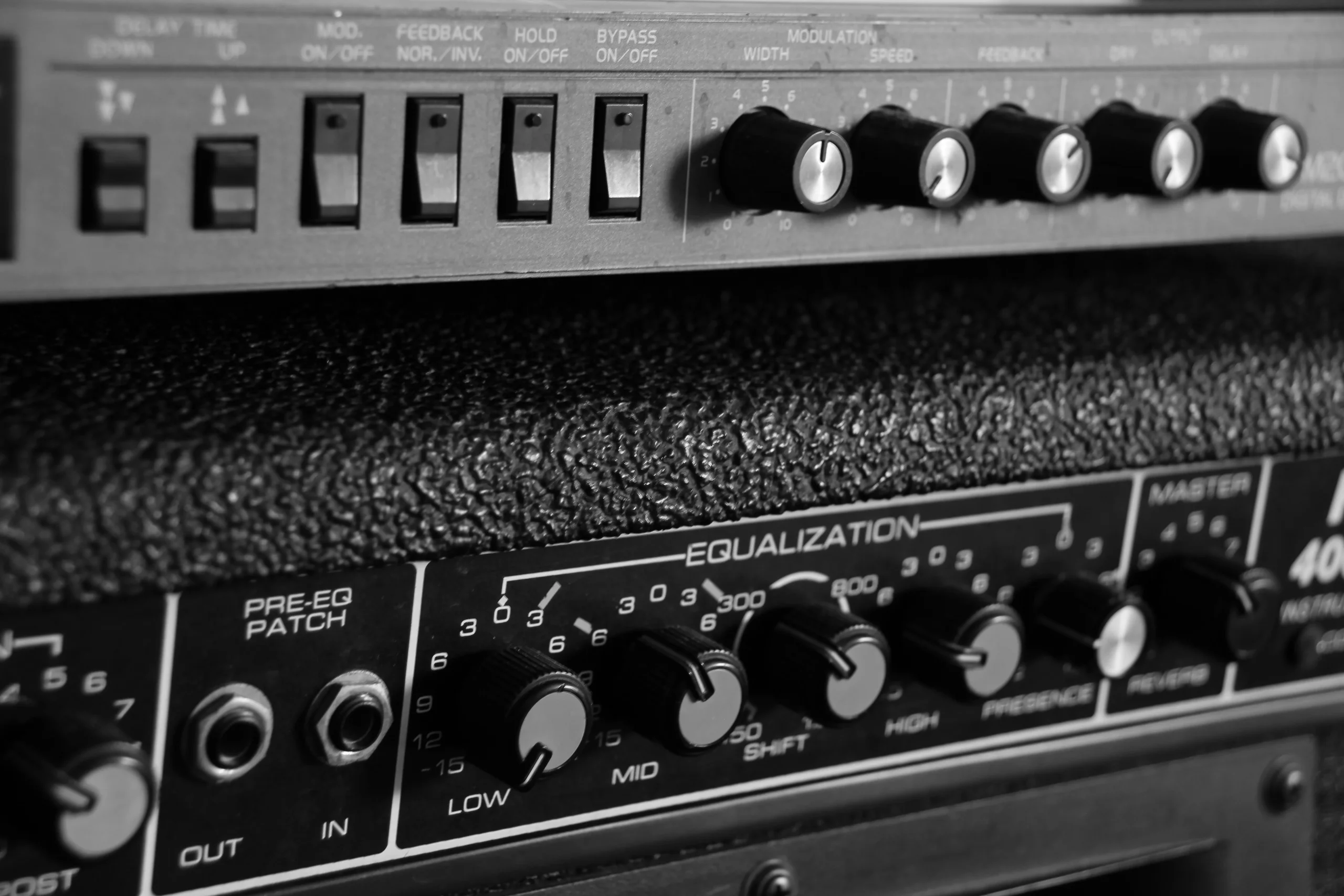
A quad equalizer is an audio control system that helps users adjust different frequency ranges to improve sound quality. It provides greater control over bass, midrange, and treble frequencies. As a result, listeners can customize audio according to their preferences.
Whether you enjoy music, watch movies, or produce audio content, equalization can improve your listening experience. Moreover, the right settings can help balance vocals, instruments, and background sounds.
Quad equalizers are useful in various audio environments. These include home entertainment systems, car stereos, professional studios, and personal audio setups.
How Does a Quad Equalizer Work?
A quad equalizer works by adjusting selected frequency ranges within an audio signal. Users can increase or decrease specific frequencies to achieve their preferred sound profile.
For example, boosting lower frequencies creates a fuller bass response. Meanwhile, adjusting midrange frequencies can make vocals and instruments sound clearer. Reducing excessive high frequencies can also produce a smoother listening experience.
However, every audio system responds differently to equalizer adjustments. Therefore, users should experiment with small changes rather than applying extreme settings.
Understanding Audio Frequency Ranges
Different frequency ranges contribute distinct characteristics to sound. Understanding these ranges makes it easier to configure an equalizer effectively.
- Bass frequencies: These create depth, warmth, and the powerful impact of drums and bass guitars.
- Midrange frequencies: These influence vocal clarity, guitars, keyboards, and many musical instruments.
- Treble frequencies: These add brightness, detail, and definition to high-pitched sounds.
- Frequency balance: Proper adjustment helps different elements work together without overpowering one another.
Although these categories overlap, each range influences the overall listening experience.
Key Benefits of Using a Quad Equalizer
A quad equalizer offers several benefits for people who want more control over their audio systems.
1. Improved Sound Quality
First, equalization helps balance frequencies that sound too weak or too strong. This adjustment can make music more enjoyable across different genres.
For instance, electronic music may benefit from stronger bass. Conversely, acoustic music often sounds better with balanced mids and natural treble.
2. Personalized Listening Experience
Everyone has different listening preferences. Some people enjoy deep bass, while others prefer clear vocals and detailed instruments.
A quad equalizer allows users to adjust their audio settings accordingly. Consequently, the same sound system can deliver different listening experiences.
3. Better Vocal Clarity
Vocals can sometimes become difficult to hear when bass or background instruments dominate a recording. Carefully adjusting the relevant frequencies may improve vocal definition.
However, excessive adjustments can make voices sound unnatural. Therefore, moderate changes generally produce better results.
4. Flexible Audio Customization
Different environments can affect how people perceive sound. A living room, vehicle, and recording studio may each require different settings.
An equalizer helps users adapt audio output to their surroundings. In addition, saved presets can make switching between listening preferences more convenient.
Best Quad Equalizer Settings for Different Uses
There is no single equalizer setting that works perfectly for every situation. Instead, users should consider their equipment, room acoustics, and preferred listening style.
Quad Equalizer Settings for Music
For everyday music listening, start with a balanced frequency profile. Then, make small adjustments based on the genre.
Pop music may benefit from slightly enhanced bass and clear vocals. Rock music often sounds engaging with controlled bass and defined midrange frequencies.
Classical music generally benefits from natural instrument reproduction. Therefore, avoid excessive boosting that changes the original recording’s character.
Quad Equalizer Settings for Movies
Movies require a balance between dialogue, background music, and sound effects. Slightly emphasizing vocal clarity may help viewers understand conversations.
Meanwhile, controlled bass can improve the impact of action scenes. Nevertheless, avoid excessive low-frequency boosts that cause distortion or overpower dialogue.
Quad Equalizer Settings for Gaming
Gaming audio often relies on directional cues, environmental sounds, and clear communication. Balanced midrange frequencies can help make important audio details easier to recognize.
However, competitive gaming may require different settings from immersive single-player games. Test your configuration with the games you play most frequently.
How to Choose the Right Quad Equalizer
Selecting an appropriate equalizer depends on your equipment and intended use.
First, check compatibility with your existing audio system. Some equalizers operate as hardware devices, while others are available through software applications.
Next, consider the available adjustment controls. An intuitive interface makes it easier to customize frequencies without unnecessary complexity.
You should also evaluate sound quality and signal processing capabilities. A suitable device should preserve audio clarity while allowing useful adjustments.
Finally, consider your budget and installation requirements. Choose an option that matches your needs rather than paying for features you will rarely use.
Common Quad Equalizer Mistakes to Avoid
Even a capable equalizer cannot automatically correct every audio problem. Certain mistakes can reduce sound quality instead of improving it.
One common mistake is boosting every frequency simultaneously. This approach may increase distortion and reduce the benefits of equalization.
Another mistake is applying extreme bass settings. Although stronger bass can sound impressive initially, excessive boosting may overwhelm vocals and other instruments.
Additionally, avoid copying settings without considering your equipment. Headphones, speakers, and car audio systems can respond differently to identical adjustments.
Instead, begin with a neutral setting and change one frequency range at a time. Listen carefully after each adjustment to identify meaningful improvements.
Conclusion
A quad equalizer provides practical control over audio frequencies, helping users customize their listening experience. With suitable adjustments, listeners can improve tonal balance, enhance vocal clarity, and enjoy music more comfortably.
Furthermore, understanding frequency ranges makes equalizer settings easier to manage. Whether you are configuring speakers, headphones, or a home entertainment system, start with balanced settings and adjust gradually.
For the best results, prioritize clear, natural sound over excessive bass or treble. Ultimately, careful experimentation will help you discover an audio profile that suits your preferences and equipment.